
What is Glaucoma, and How is it Treated?
Published by Ayrshire Eye Clinic on
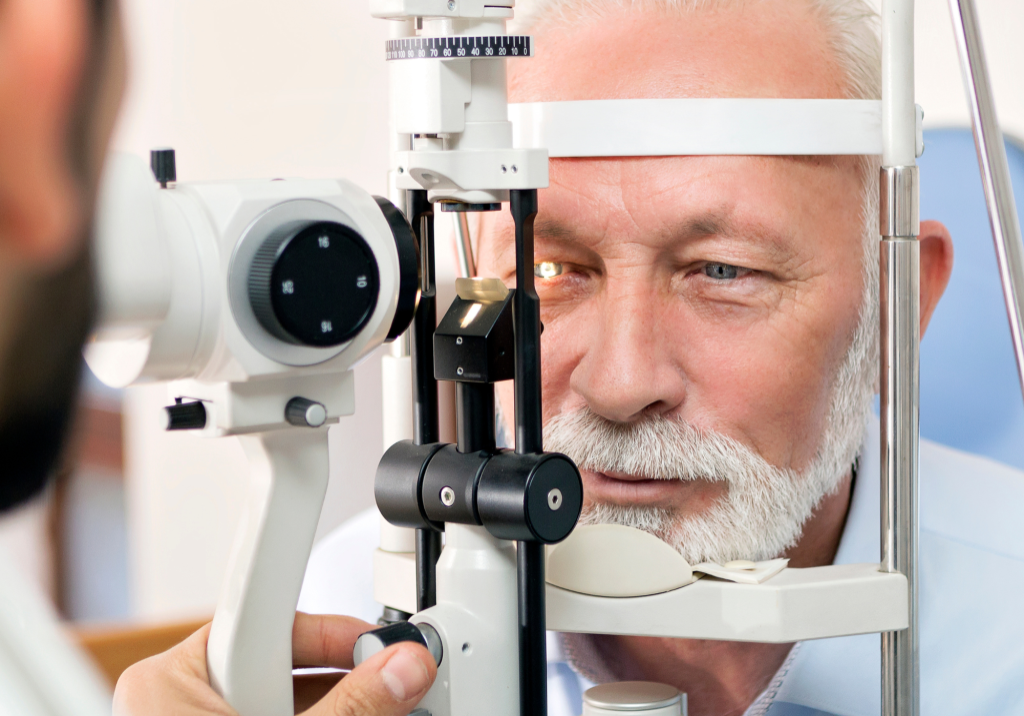
You might have heard the term glaucoma before, but not everyone knows exactly what it means.
For many people, it’s only when they or a loved one are diagnosed that the questions begin: What is it? How serious is it? What can be done about it?
Glaucoma is one of the leading causes of vision loss worldwide, and in the UK, it’s estimated that over half a million people are living with the condition.
The tricky part is that many don’t realise they have it until later on, because the early stages often come without warning signs.
At Ayrshire Eye Clinic, we know how important it is to break things down simply and clearly. So here’s what you need to know about glaucoma, as well as the treatments that help protect your sight.
What Exactly is Glaucoma?
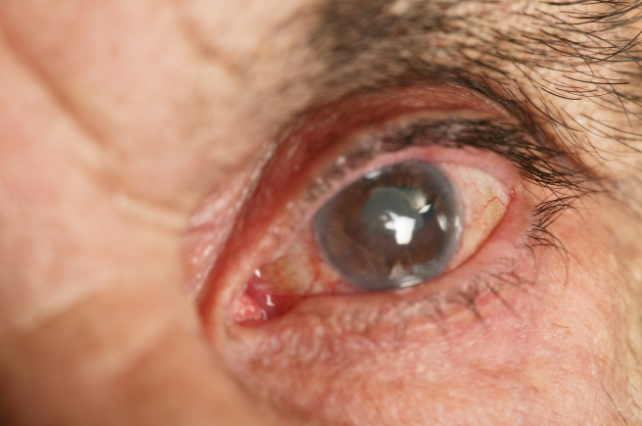
Glaucoma is a condition that damages the optic nerve, the pathway that sends visual information from your eye to your brain.
In most cases, this damage is linked to high pressure inside the eye (known as intraocular pressure), but it can sometimes occur even when eye pressure looks normal.
The damage usually happens slowly over time. Left untreated, it can cause permanent vision loss. That’s why it’s often called the “silent thief of sight.”
Different Types of Glaucoma
There isn’t just one form of glaucoma. The main ones include:
- Open-angle glaucoma – the most common type, caused by slow blockage of the eye’s drainage system
- Angle-closure glaucoma – less common, but more sudden, and can cause painful pressure spikes in the eye.
- Normal-tension glaucoma – where optic nerve damage occurs even though pressure is within the usual range.
- Congenital glaucoma – a rare form present from birth, caused by abnormal eye development.
Each type behaves differently, but all need careful monitoring and treatment.
Common Symptoms to Look Out For

The frustrating thing is that glaucoma often doesn’t show symptoms until damage has already started. That’s why regular eye checks are so important.
When symptoms do appear, they might include:
- Gradual loss of side (peripheral) vision
- Blurred or patchy areas in your sight
- Halos or glare around lights
- In the case of acute angle-closure glaucoma: sudden severe eye pain, nausea, headaches, or blurred vision. This is a medical emergency.
How is Glaucoma Treated?

The good news is that while glaucoma can’t be reversed, treatments can slow or stop further vision loss. The right approach depends on the type and severity of the condition.
- Eye drops or tablets – reduce eye pressure either by lowering fluid production or improving drainage.
- Laser treatment – such as laser trabeculoplasty to improve drainage, or laser iridotomy for angle-closure glaucoma.
- Surgery – procedures like trabeculectomy, drainage implants, or newer minimally invasive surgeries (MIGS) can create alternative pathways for fluid to leave the eye.
Most patients are managed successfully with drops or laser treatment, but surgery is an option when these aren’t enough.
Why Regular Eye Tests Matter

Because glaucoma often develops quietly, regular eye examinations are the best way to catch it early. Detecting changes before symptoms appear means treatment can start sooner, helping to protect your sight for the long term.
If you have a family history of glaucoma, are over 40, or have other risk factors such as high eye pressure or diabetes, it’s especially important to keep up with routine eye checks.
Keeping Your Vision in Focus
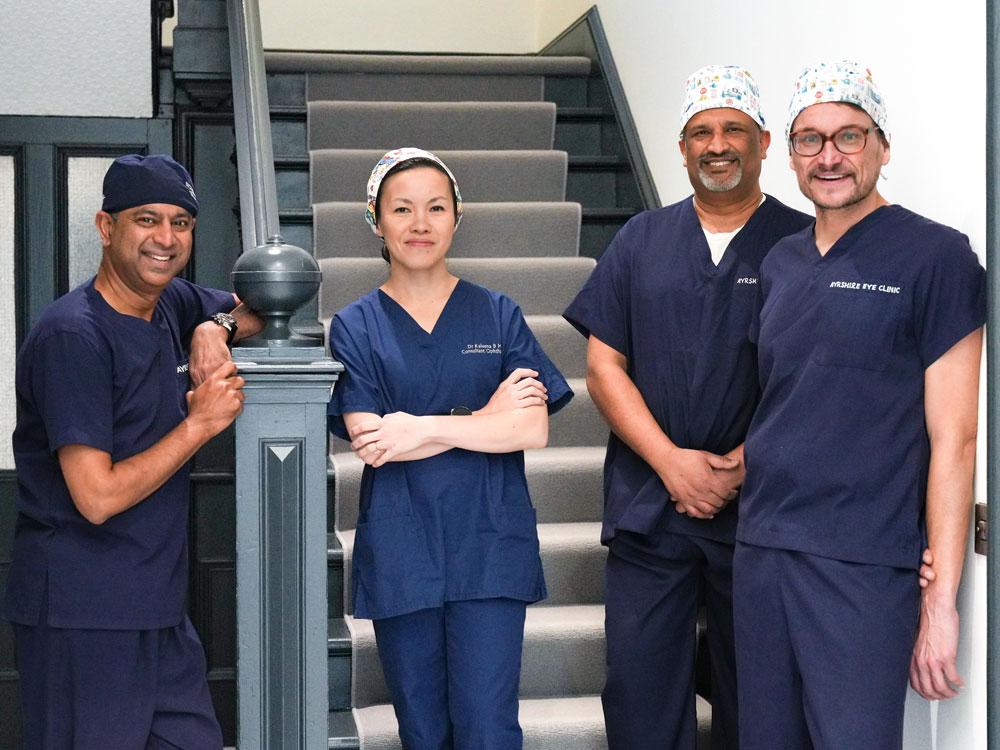
At Ayrshire Eye Clinic, we offer detailed glaucoma assessments, advanced diagnostic technology, and tailored treatment plans designed to protect your sight. From early monitoring to long-term management, we’ll be with you every step of the way.
If you’re concerned about glaucoma (or if it’s simply time for your next eye health check), book a consultation today and take control of your vision.